A Homeowner's Guide to Atlanta's Roofing Codes
Replacing your roof is one of the most significant investments you'll make in your home. You focus on choosing the right materials, the perfect color, and a trustworthy contractor. But there's a crucial, often overlooked element that underpins the entire project: building codes. For many homeowners in the Atlanta area, the phrase "building codes" can sound intimidating or like bureaucratic red tape. In reality, these regulations are designed with your best interest in mind, ensuring your new roof is safe, durable, and built to withstand Georgia's unique climate.
Understanding the basics of local roofing codes isn't just about compliance; it's about protecting your investment, ensuring your family's safety, and guaranteeing the long-term performance of your roof. This guide will demystify the essential roofing codes and permitting requirements for Atlanta-area homeowners, so you can approach your roof replacement project with confidence.
Why Building Codes Are Your Roof's Best Friend
Think of building codes as a minimum standard for quality and safety. They are a set of rules that specify the design, materials, and installation methods for construction projects, including residential roof replacements. Adhering to these codes provides several key benefits:
- Ensures Safety and Durability: Georgia's weather is no joke. From intense summer sun and humidity to the high winds and potential hail damage of our spring storm season, your roof takes a beating. Building codes mandate specific installation techniques and materials that are proven to hold up against these local challenges, protecting your home from leaks and structural failure.
- Protects Your Investment: A code-compliant roof is a well-installed roof. This means you're getting the full lifespan and performance out of your new shingles or metal panels. A non-compliant installation can lead to premature failure, costly repairs, and voided manufacturer warranties, turning a major investment into a major headache.
- Maintains Insurance Coverage: In the event of storm damage, your insurance company will expect your roof to have been installed according to local codes. If an inspection reveals non-compliant work, your insurer could deny your claim, leaving you to cover the repair costs out-of-pocket.
- Boosts Property Value: When it comes time to sell your home, a properly permitted and code-compliant roof is a significant selling point. It gives potential buyers peace of mind, knowing that the work was done correctly and professionally.
Key Roofing Requirements in Georgia
While specific requirements can vary slightly between municipalities, whether you're Inside the Perimeter or OTP, the Georgia State Minimum Standard Codes provide a baseline for all residential roofing projects. A professional contractor will be an expert in these, but here are a few key areas they focus on:
- Drip Edge: This is a piece of metal flashing installed at the edges of the roof. Georgia code mandates its use to direct water away from the fascia and into the gutters, preventing wood rot and water intrusion.
- Underlayment: This is a water-resistant barrier installed between the roof deck and the shingles. The code requires a specific type and installation method, especially in valleys and around penetrations, to provide a critical secondary layer of protection against leaks.
- Nailing and Fastening: There are strict rules for the number of nails per shingle and their precise placement. This is especially important in our region to ensure maximum wind resistance during a severe thunderstorm.
- Ventilation: Proper attic ventilation is crucial in Atlanta's humid climate to prevent moisture buildup, which can lead to mold and reduce your home's energy efficiency. Codes specify the required amount of ventilation based on the size of your attic.
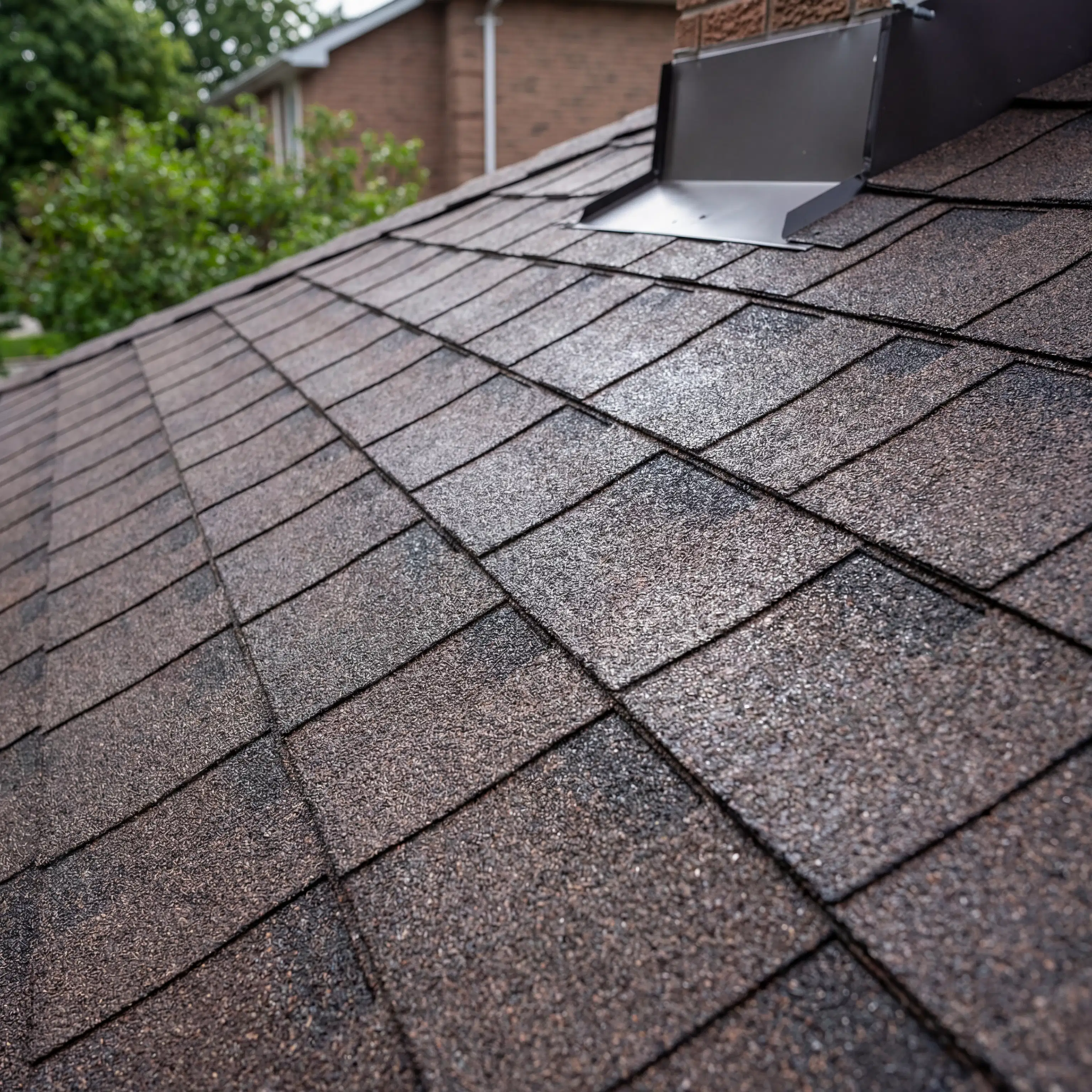
- Flashing: Any area where the roof meets a vertical surface—like a chimney, wall, or skylight—requires proper flashing. This metal work is essential for preventing leaks in the most vulnerable parts of your roof.
The Permitting Process: No Stress for the Homeowner
One of the most common questions we hear is about the permitting process for a roof replacement. The good news is that when you work with a reputable, licensed, and insured roofing contractor, they handle this entire process for you.
Navigating the specific requirements for each city or county is part of their job. They will prepare and submit the necessary paperwork, schedule any required inspections, and ensure the final project is signed off by a local building inspector. This process verifies that your new roof meets all safety and quality standards. Attempting to bypass the permitting process can lead to fines, work-stoppage orders, and major issues when you try to sell your home later.
A professional contractor understands that doing things by the book isn't just about following rules—it's about delivering a product that provides lasting value and security. This commitment to integrity is the foundation of a trustworthy partnership.
Your Partner in a Compliant, High-Quality Roof
At Peax Construction Group, we believe that a homeowner shouldn't have to be an expert in building codes to get a safe, reliable roof. That's our job. Our teams receive ongoing training directly from material manufacturers to ensure every installation meets both their strict specifications and all local Georgia codes. From the initial roof inspection to the final cleanup, we manage every detail with a commitment to quality and transparency.
A properly installed, code-compliant roof is the best defense for your home. It's a complex system, and ensuring every component works together correctly is the key to its longevity and performance. Don't leave such a critical investment to chance.
If you're considering a roof replacement or want to ensure your current roof is up to standard, contact Peax Construction Group today. We provide thorough inspections, clear explanations, and professional installations that give you peace of mind for years to come. Let us handle the complexities so you can enjoy the comfort and security of a job done right.